
Spectrum Broadcast TV Surcharge Hidden Fees Explained
- 1.
Wait—Why Are We Paying for “Free” TV Again?
- 2.
The Fine Print Behind the “Surcharge” Label
- 3.
Is This Fee Even Mandatory? (Spoiler: Kinda, But Not Really)
- 4.
How Much Are We Actually Talking About?
- 5.
The Lawsuit Everyone’s Whispering About
- 6.
Can You Actually Get Rid of This Fee? (Yes, But It’s Work)
- 7.
Why Broadcasters Think They Deserve Your Cash
- 8.
What Other Providers Are Doing (Hint: Same Game, Different Logo)
- 9.
Real Talk: Is There Any Upside to This Mess?
- 10.
Your Move: Fight, Switch, or Embrace the Antenna Life
Table of Contents
spectrum broadcast tv surcharge
Wait—Why Are We Paying for “Free” TV Again?
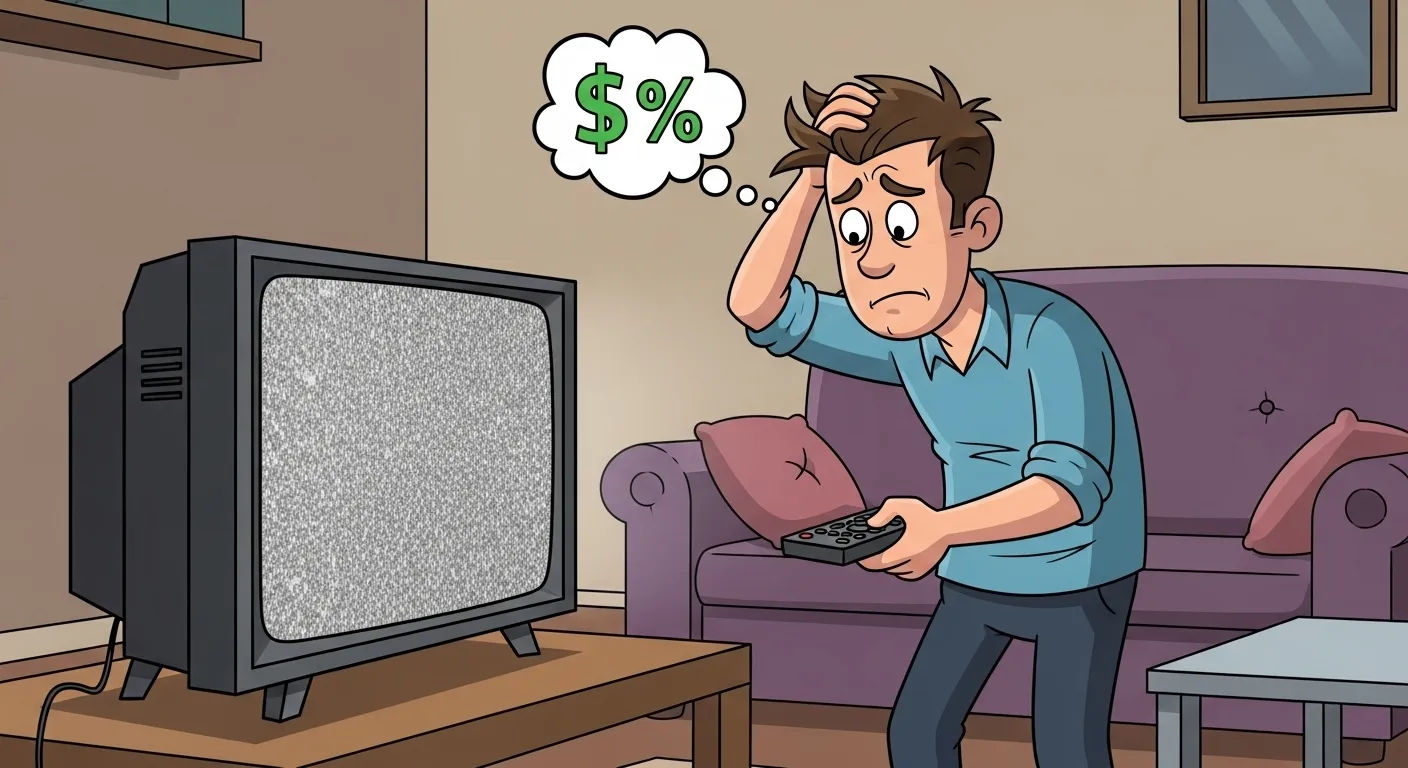
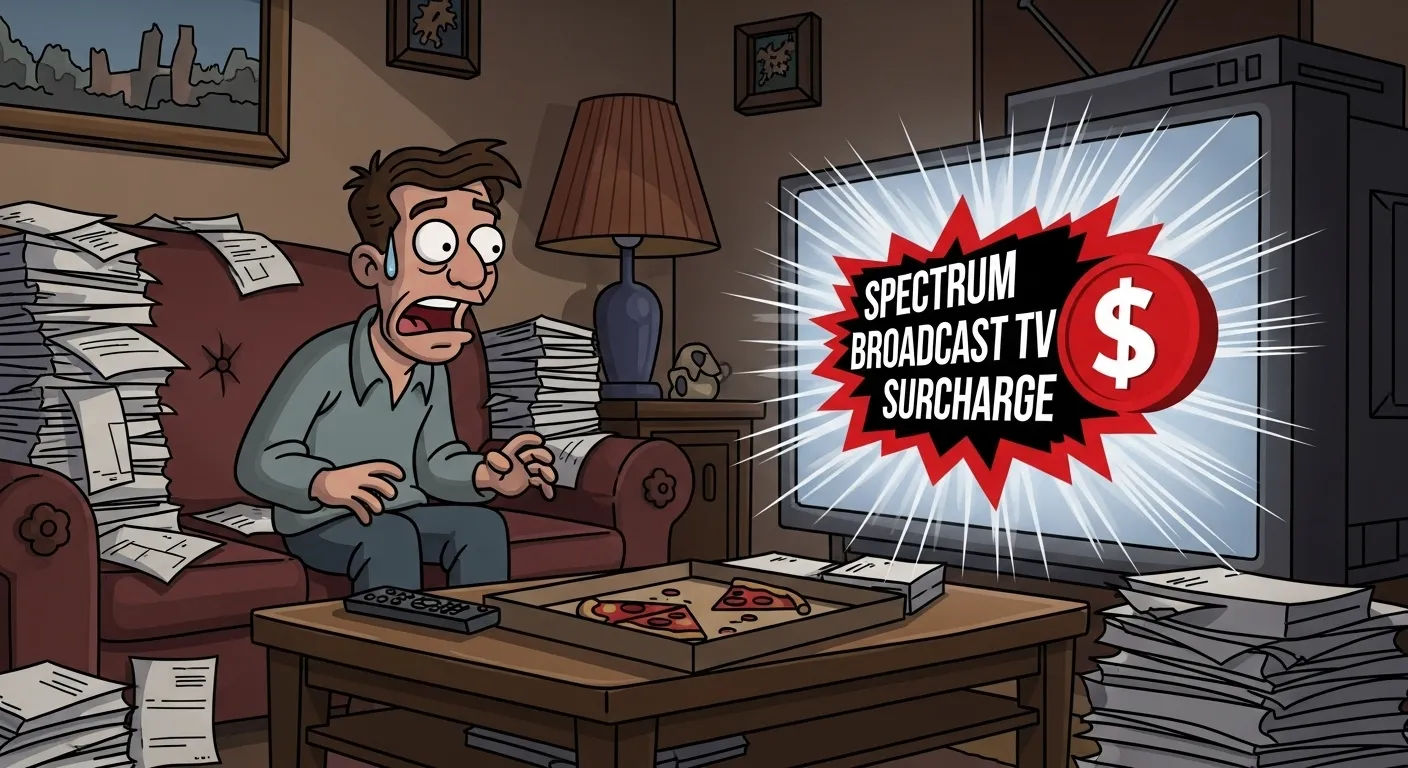
Ever opened your Spectrum bill and squinted at a line that says “spectrum broadcast tv surcharge” like it’s some kind of ancient tax levied by cable goblins? You’re not alone. We’ve all been there—staring at our monthly statement, wondering why we’re shelling out extra cash for channels we didn’t even ask for, let alone watch. And get this: the spectrum broadcast tv surcharge isn’t some optional add-on; it’s baked right into your bill like an unwanted raisin in your oatmeal cookie. Technically, it’s meant to cover fees that local broadcast stations (ABC, NBC, CBS, Fox) charge cable providers to retransmit their signals. But here’s the kicker—those stations are *supposed* to be free over-the-air. So why’s it landing on *our* tab? That, my friends, is the million-dollar question wrapped in fine print and corporate shrugs.
The Fine Print Behind the “Surcharge” Label
Let’s cut through the jargon: the spectrum broadcast tv surcharge is Spectrum’s way of passing along rising retransmission consent fees to customers. Back in the day, local broadcasters gave cable companies their signals for free—or cheap—in exchange for wider audience reach. But as ad revenue dipped and streaming ate everyone’s lunch, networks started demanding serious cash. By 2025, retransmission fees had ballooned to over $12 billion industry-wide. So Spectrum, rather than eat those costs, slapped on a separate line item—the spectrum broadcast tv surcharge—to make it look like *they’re* not raising prices. Sneaky? Maybe. Legal? Unfortunately, yes. And no, it’s not listed as a government tax—it’s 100% corporate accounting theater.
Is This Fee Even Mandatory? (Spoiler: Kinda, But Not Really)
“Is broadcast TV fee mandatory?” Well, if you’re subscribed to a traditional cable package that includes local channels, then yeah—you’re stuck with the spectrum broadcast tv surcharge. But here’s the loophole: go à la carte or switch to a streaming-only plan. Spectrum offers internet-only bundles (no TV) where this fee vanishes like your motivation on a Monday morning. Alternatively, ditch cable altogether and use an antenna—yep, those rabbit ears still work! Over 90% of Americans can pull in major networks in HD for $0. The spectrum broadcast tv surcharge only applies if you’re paying for linear TV. So technically? It’s avoidable. Just not if you want your grandma’s soap operas delivered via coaxial cable.
How Much Are We Actually Talking About?
Don’t let the word “surcharge” fool you—it ain’t chump change. As of early 2026, the spectrum broadcast tv surcharge typically runs between $18.50 and $24.99 per month, depending on your region. To put that in perspective, that’s nearly $300 a year for something you could get free with a $20 antenna. Below’s a quick snapshot of how it stacks up across select markets:
| Market | spectrum broadcast tv surcharge (Monthly) |
|---|---|
| New York | $24.99 |
| Los Angeles | $22.50 |
| Chicago | $21.00 |
| Austin | $18.50 |
And remember—this fee sits *on top* of your base package price, which itself has likely crept up 3–5% annually. No wonder folks are cutting cords like they’re auditioning for a thriller movie.
The Lawsuit Everyone’s Whispering About
“What is the spectrum broadcast tv surcharge lawsuit?” Oh, honey, grab a seat. In 2023, a class-action suit was filed against Charter Communications (Spectrum’s parent company) alleging deceptive billing practices around the spectrum broadcast tv surcharge. Plaintiffs argued that labeling it as a “surcharge” implies it’s a government-mandated fee—like a 911 tax—when it’s actually a discretionary cost Spectrum chose to itemize. The lawsuit claims this misleads consumers into thinking they can’t negotiate or remove it. While the case is still winding through federal court, it’s already sparked state-level investigations in California and New York. If successful, it could force Spectrum to fold the fee back into base pricing or offer clearer disclosures. Until then? We’re all just paying for someone else’s negotiation fail.
Can You Actually Get Rid of This Fee? (Yes, But It’s Work)
“How to get rid of broadcast TV fees?” Short answer: stop paying for broadcast TV through Spectrum. Call customer service and downgrade to a package that excludes local channels—but good luck finding one; most standard bundles include them by default. Better yet, cancel TV entirely and keep internet. Or, go old-school: buy an HD antenna (we’re talking $15–$40 USD on Amazon), plug it into your smart TV, and boom—ABC, CBS, NBC, Fox, PBS, all crystal clear and zero monthly cost. You’ll lose DVR convenience, sure, but gain $25 back in your pocket. And honestly? Most of us stream everything anyway. The spectrum broadcast tv surcharge is basically paying for redundancy you don’t need.
Why Broadcasters Think They Deserve Your Cash
Local TV stations argue they invest millions in newsrooms, emergency alerts, and community programming—and deserve compensation when cable companies resell their signal. Fair point? Maybe. But here’s the rub: those same stations are legally required to broadcast over public airwaves for free. The FCC granted them spectrum licenses at no cost, with the understanding they’d serve the public interest. Now, they’re double-dipping—charging viewers via ads *and* charging cable providers (who pass it to you) via retransmission fees. It’s like a restaurant giving you bread for free… then charging your Uber Eats driver $10 to deliver it. The spectrum broadcast tv surcharge is the bill for that bread markup.
What Other Providers Are Doing (Hint: Same Game, Different Logo)
Don’t think Spectrum’s the only one playing this shell game. Comcast, Cox, and DirecTV all have equivalent fees—just with different names like “Regional Sports Fee” or “Broadcast TV Surcharge.” It’s an industry-wide tactic to inflate perceived value while hiding true costs. But Spectrum’s version stands out because it’s *separately listed*, making your base package look artificially cheap. Compare two plans: one at $69.99 + $24.99 surcharge vs. another at $94.98 flat. Same total, but the first feels “cheaper” until you read the fine print. Classic bait-and-switch energy. And yep—the spectrum broadcast tv surcharge is just their flavor of this bitter cocktail.
Real Talk: Is There Any Upside to This Mess?
Alright, let’s be fair. Without retransmission fees, some local newsrooms might shutter—especially in smaller markets. The spectrum broadcast tv surcharge indirectly funds investigative reporting and weather coverage that saves lives during hurricanes or wildfires. But should *you* bear that burden alone? Probably not. Public broadcasting exists for a reason, and many argue these services should be funded through taxes or endowments, not hidden cable fees. Still, if you genuinely value local journalism, consider donating directly to your station instead of letting Spectrum take a cut. At least then, you know where your money’s going—and you skip the spectrum broadcast tv surcharge entirely.
Your Move: Fight, Switch, or Embrace the Antenna Life
So what now? You’ve got options. You can call Spectrum weekly until they waive the fee (unlikely, but hey, stranger things have happened). You can switch to YouTube TV or Hulu Live—but beware, they bake similar costs into their base price. Or, you can join the growing army of cord-cutters waving tiny antennas like victory flags. Whatever you choose, know this: the spectrum broadcast tv surcharge isn’t destiny. It’s a choice disguised as inevitability. For more on navigating the modern media maze, swing by the Ian Boxill homepage, dive into our Broadcast section for deep dives on media economics, or check out our feature on david jeremiah radio broadcast daily inspiration to see how broadcast thrives beyond the paywall.
Frequently Asked Questions
Why do I have to pay the broadcast TV fee?
You’re charged the spectrum broadcast tv surcharge because Spectrum pays local broadcast stations (ABC, CBS, etc.) retransmission fees to carry their signals—and passes that cost directly to you. Though these channels are free over-the-air, cable providers bundle them into packages and itemize the cost separately.
How to get rid of broadcast TV fees?
To eliminate the spectrum broadcast tv surcharge, cancel your TV service and keep internet-only, or switch to an HD antenna for free over-the-air broadcasts. Some streaming services include locals but embed the cost in their base price—so true avoidance means cutting the cable cord entirely.
What is the spectrum broadcast TV surcharge lawsuit?
A class-action lawsuit alleges Spectrum deceptively labels the spectrum broadcast tv surcharge as a mandatory fee, misleading customers into believing it’s government-imposed rather than a discretionary cost Spectrum chose to itemize. The case is ongoing as of 2026.
Is broadcast TV fee mandatory?
The spectrum broadcast tv surcharge is mandatory only if you subscribe to a Spectrum TV package that includes local broadcast channels. It’s not required by law—you can avoid it by choosing internet-only service or using an antenna for free OTA reception.
References
- https://www.fcc.gov/media/engineering/dtvmaps
- https://www.reuters.com/legal/government/charter-spectrum-hit-class-action-over-broadcast-fees-2023-07-18/
- https://www.ncta.com/press-releases/retransmission-consent-fees-explained
- https://www.consumerreports.org/cro/cable-tv/broadcast-tv-fees-what-they-are-and-how-to-avoid-them-a8456316784.htm